NBA Betting Integrity UK: Impact on Prop Markets and Odds
 Available in US
Table of Contents
- Impact of the 2025 NBA Betting Indictment on Props
- Why the case summary still matters six months on
- The NBA response, in Adam Silver’s words and in escrow paperwork
- How the UK book trading desks reorganised on the fly
- What’s actually on the board for NBA Finals 2026
- Practical takeaways for the UK bettor heading into the playoffs
Impact of the 2025 NBA Betting Indictment on Props
I was reading the morning desk notes when the headline came through, and the room went quiet in a way I hadn’t seen since the 2007 Tim Donaghy story. On 23 October 2025 the US Department of Justice unsealed charges against 34 individuals across two parallel cases, and six of those defendants sat squarely inside the NBA betting case – including a current player, Terry Rozier of the Miami Heat, and a current head coach, Chauncey Billups of the Portland Trail Blazers. The allegations were not abstract: prosecutors described coordinated information flows and prop-market exposure that, if proven, would touch low-liquidity player markets first.
The financial line jumped out for anyone who prices NBA contracts for a living. Rozier was reportedly on a $26.6 million guaranteed contract – somewhere near 17 per cent of Miami’s salary-cap commitment – and that salary was placed into escrow within days. That detail mattered because it told the market the league office was treating the matter as more than reputational. Escrow is what you reach for when you expect a long resolution window.
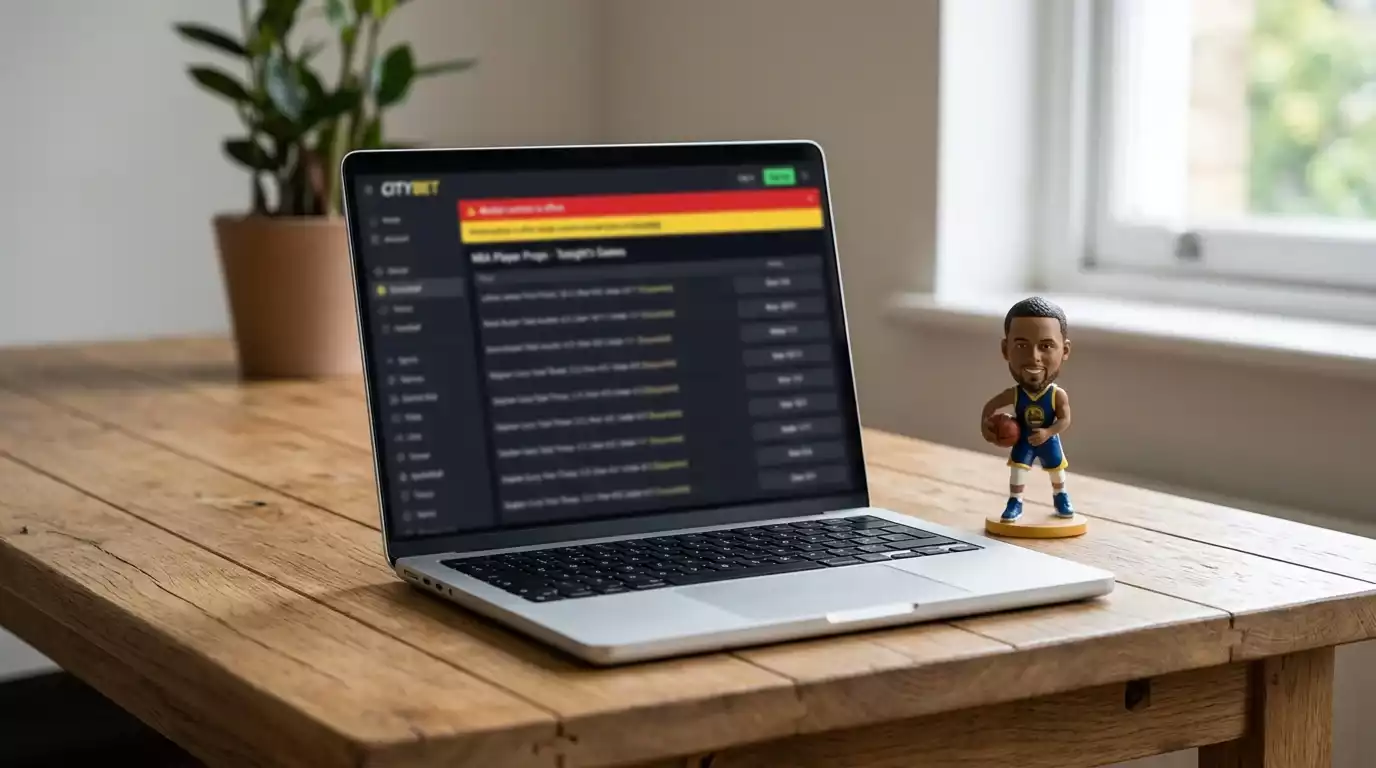
For UK bettors the case landed mid-week, which is the worst possible timing for a prop-heavy weekend slate. By Friday morning, multiple UK-licensed books had quietly pulled the player rebound and assist markets on at least one Heat game and several Blazers games, then restored them piecemeal as legal teams reviewed exposure. None of that was announced with a press release. It was just a soft delist, the kind regulars notice and casual punters miss.
Why the case summary still matters six months on
Half a year on, the case is doing what these cases always do – settling into a slow procedural rhythm while the betting industry reorganises around it. The charges themselves form two strands. One strand alleges that confidential player-availability information was leaked and traded around prop markets – specifically markets on minutes, points, rebounds, and unders that get cheaper if a player exits the game early. The second strand sits adjacent to the league but technically separate, involving alleged poker-table activity that drew defendants from a wider sports-finance circle.
The reason this matters for a UK reader is the prop economy. Anytime scorers, player rebounds, and over/unders on points are the markets that grew fastest on UK apps between 2023 and 2025. They also share a structural weakness: low stakes per ticket, dispersed liquidity, and outcome variance that can be moved by a single coach decision. When the DOJ case named those exact market types, every trading desk on the UK side ran a mental audit overnight.
What we have not seen is a domino effect on the headline series markets. Series price, correct score, total games – none of those moved. The case is a player-information case, not a fix-the-team case, and the UK market priced that distinction quickly.
The NBA response, in Adam Silver’s words and in escrow paperwork
Adam Silver chose his words carefully when he spoke publicly. There’s nothing more important to the league and its fans than the integrity of the competition. And so I had a pit in my stomach. It was very upsetting.
That sentence did two things at once. It acknowledged the emotional weight of the allegations and it positioned the league as a stakeholder, not a defendant. UK trading rooms read that as a signal the league would cooperate fully with prosecutors rather than wall off internal data.
The operational response moved faster than the rhetorical one. Rozier was placed on leave and his contract escrowed within the week. Billups was suspended from coaching duties pending the investigation. The league’s officiating-and-integrity unit, which has existed quietly since the post-Donaghy reforms, was repeatedly cited in subsequent filings – a reminder that the NBA already runs internal surveillance on betting patterns and was, in fact, one of the original tipsters who flagged anomalies to law enforcement.
For UK bettors that last point is the one to keep in mind. The league did not get caught flat-footed. It surfaced the pattern, escalated it, and is now spending political capital to make sure the federal case prosecutes cleanly. That posture is what allows BGC and UKGC to treat NBA props as a regulated risk rather than a no-go zone.
How the UK book trading desks reorganised on the fly
I had a long conversation with a former trader two weeks after the charges dropped, and his summary stuck with me – every UK book ran the same four-step playbook in the same forty-eight hours, just with different speeds. Step one: identify all live props on Heat and Blazers fixtures and freeze them. Step two: run a retrospective on volume spikes on Rozier-related markets going back to the alleged offence window. Step three: open dialogue with the in-house integrity vendor – most UK books outsource pattern detection to firms like Sportradar’s IBIA partner network. Step four: decide what to relist and at what stake caps.
By the time Finals season began the following June, the surviving prop board looked thinner in a few specific places. Player rebound props for bench rotation players had stake caps cut by half on several apps. Player assist props for tertiary playmakers were paused on some books entirely during back-to-back travel windows. The big-name props – anytime scorer for stars, points over/unders for starters – stayed up with normal limits, because liquidity there is deep enough to absorb informed money without being moved by it.
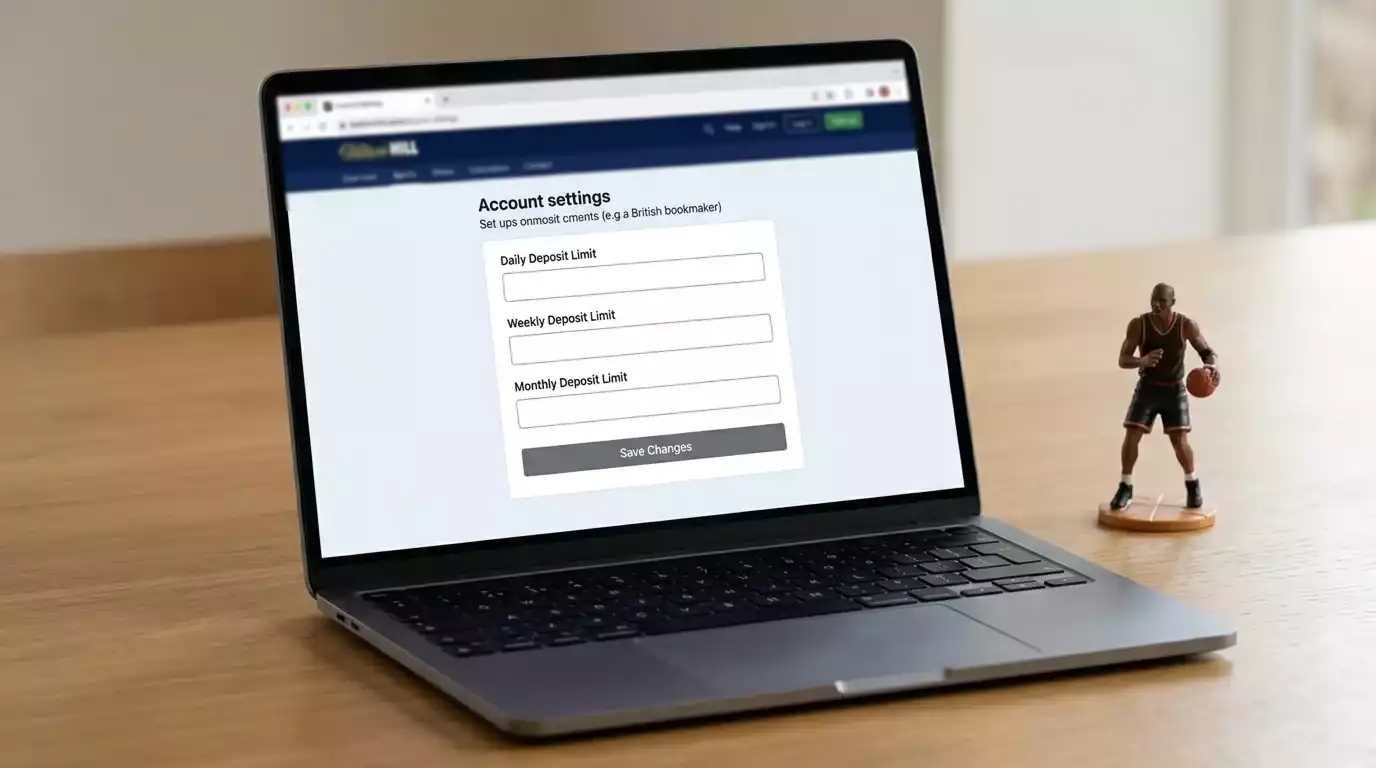
The other change was less visible: integrity-flag clauses in the terms and conditions were rewritten across the UK industry. If a prop settles inside a window the league or the integrity vendor later flags as anomalous, books reserve the right to void the bet and refund stakes. UK bettors should read those clauses once before the playoffs, because they did not exist in this form before October 2025.
What’s actually on the board for NBA Finals 2026
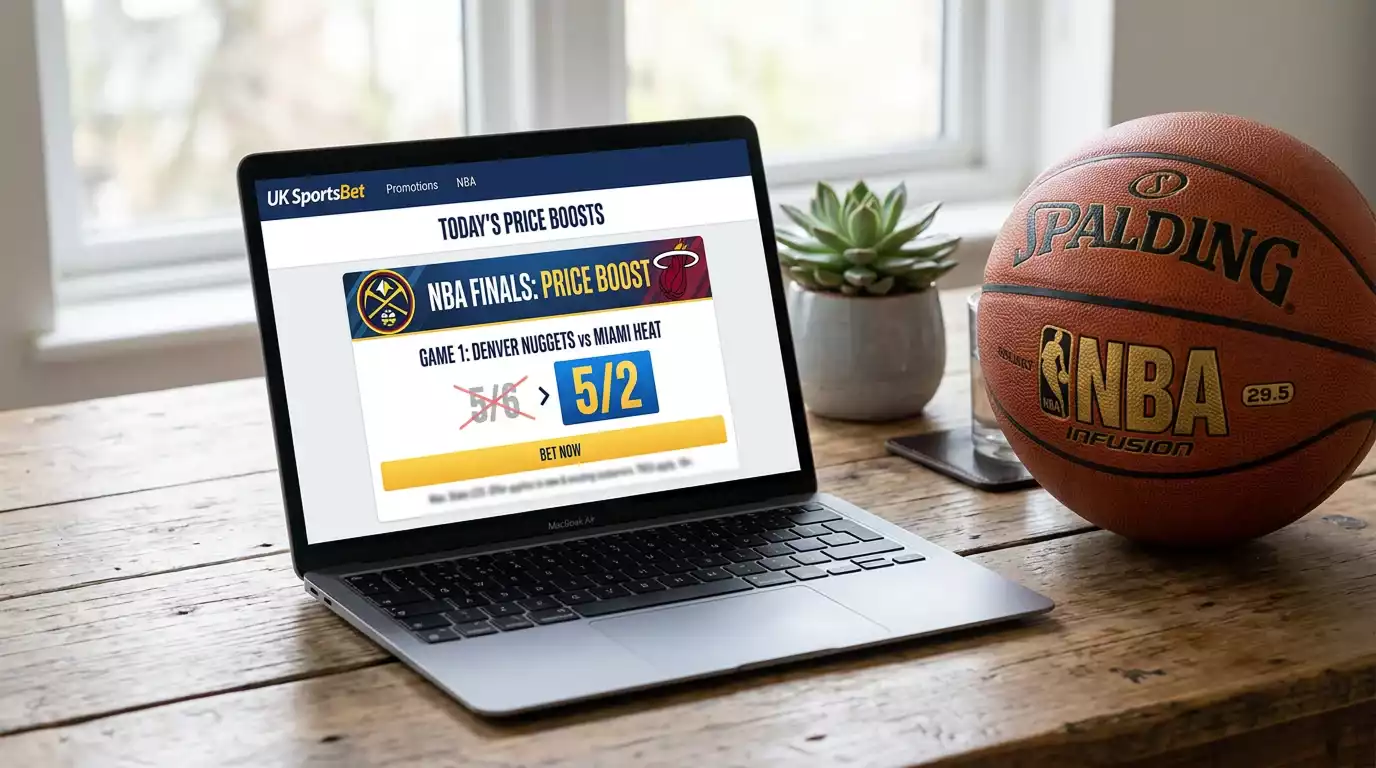
Six months later, the prop market is back to roughly 85 per cent of its pre-October 2025 depth – and the missing 15 per cent is exactly where you’d expect. Anytime scorer markets for the Oklahoma City Thunder, the favourite at -175 to -180 across UK books for the 2026 title with the Spurs at +300 to +320, are fully available with normal stake caps. Player points over/unders for established stars are unchanged. Same-game parlay templates for those same stars run normally on all major UK apps.
Where you’ll see the difference is in the deeper-end products. Player rebound props for non-rotation reserves, exotic combination markets that pair a low-minute player’s assists with a star’s points, and minutes-played markets for rotation-flexible bench pieces are either capped, delayed, or absent entirely. None of that affects a UK bettor who is building a Finals slate around the obvious names. It affects bettors who used to grind small edges on the bottom of the rotation – and those edges, frankly, were the ones the DOJ case was about in the first place.
A small note on jurisdiction. The case is a US federal matter and does not directly bind UK-licensed operators. What it does is set the global standard. UK books that take action on the NBA are members of the same integrity networks as US books, share the same data feeds, and answer to UKGC if their internal controls fall short. The October 2025 case sharpened those controls in ways UK regulators had been requesting for two years.
Practical takeaways for the UK bettor heading into the playoffs
If you take one thing from the past six months, take this – the integrity case did not make NBA betting riskier for UK punters. It made the props that always carried hidden risk visibly riskier, and it cleared liquidity into the markets you should have been on anyway. The headline series price, the outright title, the correct score on the Finals – these markets are deeper now, because the speculative money that used to drift into thinly-priced player rebound props has nowhere to go and migrates upward.
Three habits I’d recommend. First, read the void-on-integrity-flag clause on whichever app you use, just once, so you know what happens if a bet settles into a flagged window. Second, treat any prop with a stake cap as a signal – the book is telling you it does not have confidence in the liquidity on that market, and a UK bettor with reasonable bankroll discipline should respect that signal rather than try to fade it. Third, accept that the prop board for 2026 Finals will look different from 2024 in small ways, and stop chasing the markets that aren’t there. The board you have is the board you should be working from.
The bigger picture is that the October 2025 case will reshape NBA betting markets globally for years, not months. UK bettors who came in via the 11-year Sky Sports deal that began in 2025-26 have only ever known the post-integrity-case board, and they will not feel the loss. Anyone who built their pre-2025 strategy on prop arbitrage – and many of those bettors will be reading something like a piece on anytime scorer props next – needs to rebuild that strategy from the top of the rotation down.
Are NBA Finals MVP markets affected by the integrity case?
No. The 2025 case concerned player-availability information flowing into low-liquidity prop markets, not series outcomes or voting markets. Finals MVP futures, which settle on a journalist vote at the end of the series, are unaffected and were trading at normal stake caps across UK books through the 2025-26 regular season.
What controls do UK books add for player props in 2026?
Most UK-licensed operators now cap stakes on player rebound and assist props for bench rotation players, run real-time pattern detection against league and vendor feeds, and reserve the right to void bets that settle inside a window the league or its integrity partner flags as anomalous. These controls sit in the terms and conditions and apply automatically – bettors do not need to opt in.
Published by the nba Final Bets team.